

Prefab Homes: Are They Cheaper and Worth It?
Thinking about prefab homes? Learn if they're cheaper than traditional homes, how they work, and whether a prefab home is right for you.

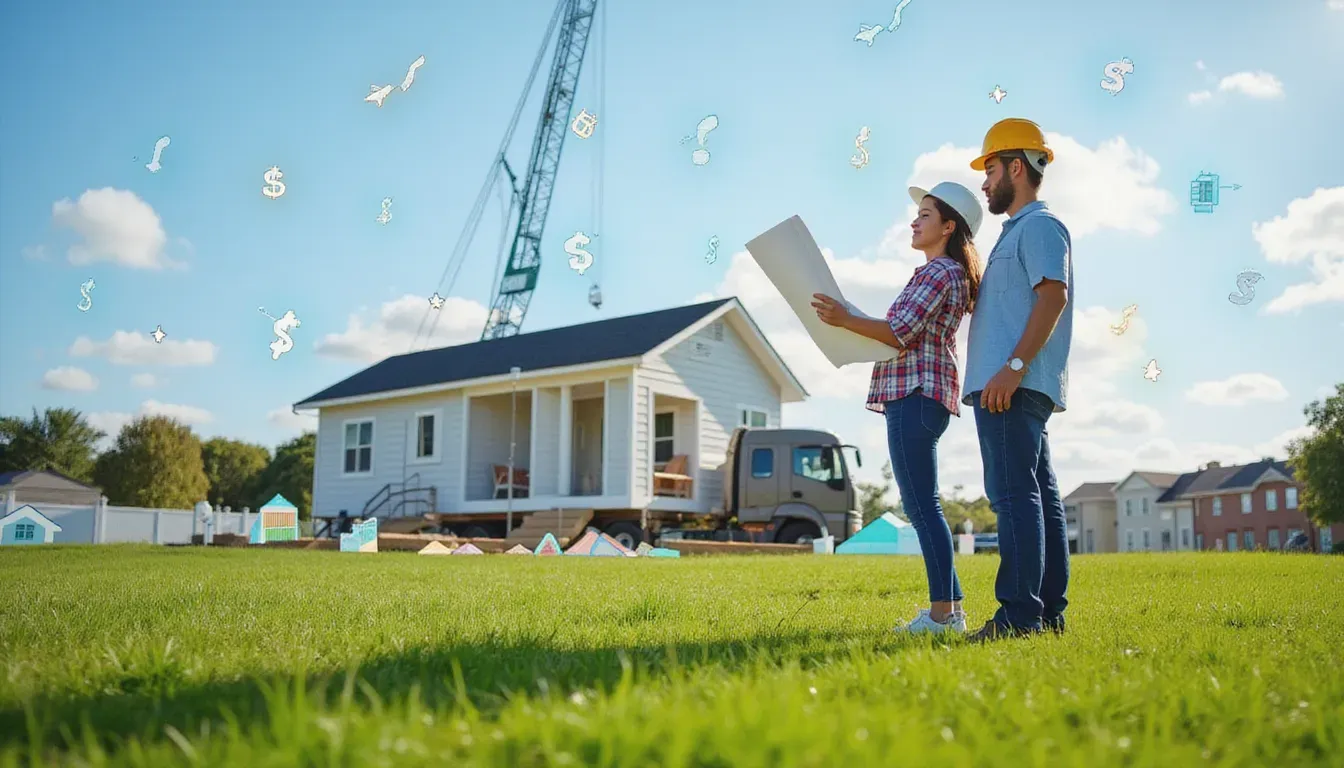
- Prefab homes can cost 10–30% less per square foot than traditional homes.
- Modular homes take 3–6 months on average to complete—half the time of site-built houses.
- Financing prefab homes is feasible, but often requires construction loans and specific lender approval.
- Resale values of modern modular homes are comparable to traditional homes when built on permanent foundations.
- Factory-built methods lead to less material waste and better energy efficiency over time.
Prefab Homes: Are They Cheaper and Worth It?
If you’re looking for a faster, possibly cheaper way to own a home, prefab homes can work. In 2025, modern prefabricated options are getting more interest, especially in expensive markets or rural areas. But how do they really stack up against regular homes in price, quality, and how much they’re worth later? This guide explains the facts. It helps you decide if a modular or prefab home fits your plans and money.
What Are Prefab Homes?
Prefab homes, short for prefabricated homes, are houses built in a factory. Then they are moved to and put together on a home lot. Regular homes are built all at the building site. But prefabricated homes are made partly or fully somewhere else.
Modern prefab homes have good designs, use strong materials, and follow local and state building rules. They are different from mobile or manufactured homes. Those follow federal HUD rules and usually sit on a permanent frame. Modular homes are a kind of prefab home. They must meet the same local building rules as houses built on site. This makes them a strong, lasting choice for housing.
Types of Prefabricated Homes
Knowing the different types of prefab homes helps you choose one that works best for your money, schedule, and how much you want to change it:
- Modular Homes: These are usually built in 2–6 large sections (or “modules”) in a factory. Then they are moved to your land where they are put together and set on a foundation for good. They must follow the same building codes as stick-built homes. And you can’t tell the difference once they’re done.
- Panelized Homes: These homes arrive as flat panels, like walls, roof parts, and floor sections. They are put up and finished at the site. Panelized homes save time compared to houses built entirely on site. But they need more work than modular homes. So they might take a bit longer to finish.
- Pre-Cut / Kit Homes: Also known as log homes or DIY home kits, these have building parts that are already measured and labeled. They are sent to you for a contractor or homeowner to put together by hand. Kit homes are popular with DIY builders because of their lower cost and how easily you can change them. But they need a lot of personal effort.
- Container Homes: This is a newer idea that uses old steel shipping containers to make homes. They are not as common. But they are a kind of prefab home because their parts are put together away from the site.
Each type of prefabricated home has different good and bad points for cost, work, and how much you can change it. So, you should match your choice to your plans and how much work you want to manage.
Modular homes must follow local and state building codes. This is different from manufactured homes, which only follow national HUD guidelines (U.S. Department of Housing and Urban Development, 2020).
2025 Prefab vs. Traditional Cost Comparison
Let’s look at how costs compare between prefab and site-built homes, looking at average prices, build times, and usual hidden costs.
| Cost Factor | Prefab Home (avg sq. ft.) | Traditional Site-Built Home |
|---|---|---|
| National Avg Per Sq. Ft. | $50–$110 | $120–$180 |
| Build Timeline | 3–6 months | 6–12 months |
| Labor Costs | 10–25% less | Full labor expense |
| Transportation/Setup | Additional cost | N/A |
| Permitting & Utilities | Still Required | Still Required |
Sources: U.S. Census Bureau, 2023; National Association of Home Builders, 2023
Are Prefabricated Homes Cheaper Overall?
Yes—most of the time, prefab homes are cheaper than traditional builds. This is especially true when you look at the price per square foot and how quickly they are built. Prefabricated home factories use assembly line methods, buy materials in large amounts, and plan work no matter the weather. This helps them cut costs a lot.
However, it’s important to know that the base price you see does not always include key parts like:
- Buying land or getting it ready
- Quality of the foundation and planning the site
- Connecting to water, sewer, and power lines
- Building permits and other fees
These costs for the site can add up fast. They can make the price difference smaller between prefab and traditional homes if you don’t add them into your plans early.
Example Cost Breakdown:
- Modular Home Base Cost: $250,000
- Site Preparation, Foundation, Utilities, Permits: $60,000
- Total: $310,000
- Traditional Build of Similar Size/Location: ~$380,000
Even with added expenses, you may still save more than $60,000–$70,000. Plus, the shorter build time can also save you money on rent or loan interest.
How Long Do Modular Homes Take to Build?
How fast prefab homes are built is one of their main advantages. A traditional stick-built home can take up to a year. But modular homes can often be done in half that time.
Typical Modular Home Build Timeline:
- Design & Engineering Plans: 2–4 weeks
- Permitting Process: 2–4 weeks (overlapping with design)
- Factory Construction: 4–12 weeks, depending on complexity
- Site Prep + Foundation Setup: 2–4 weeks
- Module Assembly & Finishing Work On-Site: 4–8 weeks
- Final Inspections & Move-In: 1–2 weeks
Many processes happen at the same time, like building modules while digging the foundation. So, you can make the schedule much shorter. This is a big plus for those who need to move quickly.
Advantages of Prefab Homes
Prefabricated homes have many good points for homeowners who care about saving money, using less energy, and getting things done fast.
Key Benefits:
- Lower Building Costs: Less time for workers, they use materials well, and there is less waste.
- Clear Prices: Fewer unexpected costs from contractors. And you know the price more clearly from the start.
- Better Energy Use: Many prefab homes use better insulation and sealing. This helps cut utility costs over time.
- Done Faster: Move in quicker, often within 3–6 months.
- Many Design Choices: People think you can’t, but modular homes can be changed a lot, from the floor plan to the final touches.
- Strong Build: They are made to handle being moved and put in place. This often makes them stronger in some ways than houses built on site.
Downsides of Prefab Living
Still, prefab homes have some problems. Things like zoning, getting money, and how people see them can make things harder.
Potential Drawbacks:
- Hard Site Prep: Clearing land, leveling, and putting in utilities can cost a lot and take time.
- How People See Them: In some places, buyers might still mix up modular with manufactured homes. This could affect what the home sells for later.
- Loan Problems: Some lenders are careful or don’t know much about loans for prefab homes. This can cause delays or more paperwork.
- Hard to Get to Cities: Big modules can be harder to deliver to crowded city spots or places with narrow roads.
Zoning, Permits, and Other Site Realities
Before deciding on a prefab or modular home, check out your building site.
What to Check:
- Zoning Rules: Check if the land allows modular or factory-built houses.
- HOA Rules: Some neighborhoods do not allow homes built in new ways.
- Permit Wait Times: Get a real idea of the time it will take now. Some country areas are fast, others take months.
- Utility Hookups: Make sure you can easily connect to power, water lines, and septic or sewer systems.
Prep work may account for 15–25% of your total project budget depending on the condition of the land.
Financing Prefabricated Homes
Yes, modular and prefab homes can be paid for with regular home loans. But it usually needs a bit more planning.
What You Need to Know:
- Loan Type: Lenders often give a construction-to-permanent loan. These loans change on their own to a regular mortgage once the home is put in and valued.
- Down Payments: Like regular homes, 10–20% is common.
- Builder Check: Lenders often need to approve the prefab home maker you choose.
- Appraisals: The appraisal might need to cover more things, like land upgrades and putting the home in place.
- Insurance: Look for policy terms that cover modular or panelized homes at each building step.
Working with a lender who knows about prefab real estate is very helpful. They can handle schedules and appraisal needs better.
What’s the Resale Value of Prefab Homes?
Modern modular homes, especially those built on permanent foundations and built very well, generally go up in value like regular homes.
Key Value Influencers:
- Foundation Type: Homes on permanent foundations get full value checks and insurance perks.
- Location & Comps: Prefab homes in city areas or built-up neighborhoods often sell for more. This is true especially where buyers know more about prefab housing.
- Design and Size: Bigger, well-designed homes with popular features (like open kitchens or good energy use) do better in the market.
Over time, the bad feeling about prefab prices is going away. This is true especially as housing costs keep being an issue.
Common Myths About Prefab Homes
Wrong ideas still exist. Here’s the truth about common myths:
- Myth: “Prefab = trailer” Fact: Modular homes are different from mobile homes. Modular builds follow building rules and are put on a lasting foundation.
- Myth: “Prefab equals poor quality” Fact: Factory work is exact. This often means better, more even quality and better energy use than building at the site.
- Myth: “You can’t get a mortgage or insurance” Fact: Many banks and insurers give loans for prefab homes often. This is true especially when the homes are seen as real property with a lasting spot.
Learning more, and helping your agent learn too, really helps you get the most value and feel good about your home purchase.
Buying a Prefab in 2025: Smart Strategies
If it’s your first home or a smaller home for retirement, planning ahead is key.
Tips for a Better Buying Experience:
- Choose Good Builders: Look for builders with ISO or third-party approval and good reviews.
- Get Clear Cost Lists: Ask for a list of costs for site work, changes, and delivery.
- Don’t Forget to Check the Land: Soil, slope, and roads can greatly change the final price.
- Hire a Realtor Who Knows Prefab: They’ll help with zoning, land use, and getting a good deal better than other agents.
Choosing the Right Agent for Modular or Prefab Homes
Prefab builders rarely help buy land, get permits, or do inspections. A real estate agent who knows this fills this need.
Look for agents who:
- Know prefab words and common problems.
- Know how to check if lots work for modular homes.
- Have lender and builder contacts in your area.
- Know about local selling prices, zoning rules, and HOA limits.
An experienced prefab agent helps lower problems. And they make the schedule better, help with following rules, and lower the total cost of owning.
How We Help Prefab Buyers and Sellers Save More
If you’re buying a modular home or selling one, our services are made for homeowners who want to save money.
- Buyer Rebate Options: Work with our experienced agents and get part of the commission back post-closing (where allowed).
- Only 1% Seller Commission: List your prefab or traditional home for just 1%—and keep up to 2% more of your home’s value.
- Smart Tools: Use our calculators to estimate costs, rebates, and savings with prefab vs. site-built options.
- Tailored Guidance: Want to buy land and build? We’ll make a special plan. It will cover building schedules, costs, and builders.
Get More Home for Less Build or buy in a better way. If you’re buying a modular home or listing a traditional one:
Talk to an expert now — Your free, no-pressure chat is just one click away.
Citations
U.S. Department of Housing and Urban Development. (2020).
U.S. Census Bureau. (2023). Quarterly Starts and Completions by Purpose and Design.
National Association of Home Builders. (2023).
About the author
Related articles

Buy Before You Sell vs Sell Before You Buy: How to Decide
Buy before you sell or sell before you buy? Selling first is usually the financially safer choice, but buying first is more convenient. Use this framework — plus bridge loans, HELOCs, contingencies, and rent-backs — to decide.
What Does Buying a Home As-Is Really Mean?
Buying a home as-is usually means the seller won't make repairs — not that you lose the right to inspect or to walk away. Here's what your contract and state law actually control.
Buying a Home at Auction: Cash, Financing, and Risks
How real-estate auctions work, whether you can finance an auction purchase, and the risks of buying with no inspection — foreclosure, tax, REO, and HUD sales compared, with a pre-bid due-diligence checklist.

Buying a Short Sale: Process, Timeline, and Pitfalls
How buying a short-sale home works, why lender approval takes so long, and the timeline, costs, and legal pitfalls buyers should plan for.