

Home Price Strategy: Is Overpricing Slowing Sales?
Is your home sitting too long on the market? Discover why strategic pricing matters more than patience in today's real estate market.

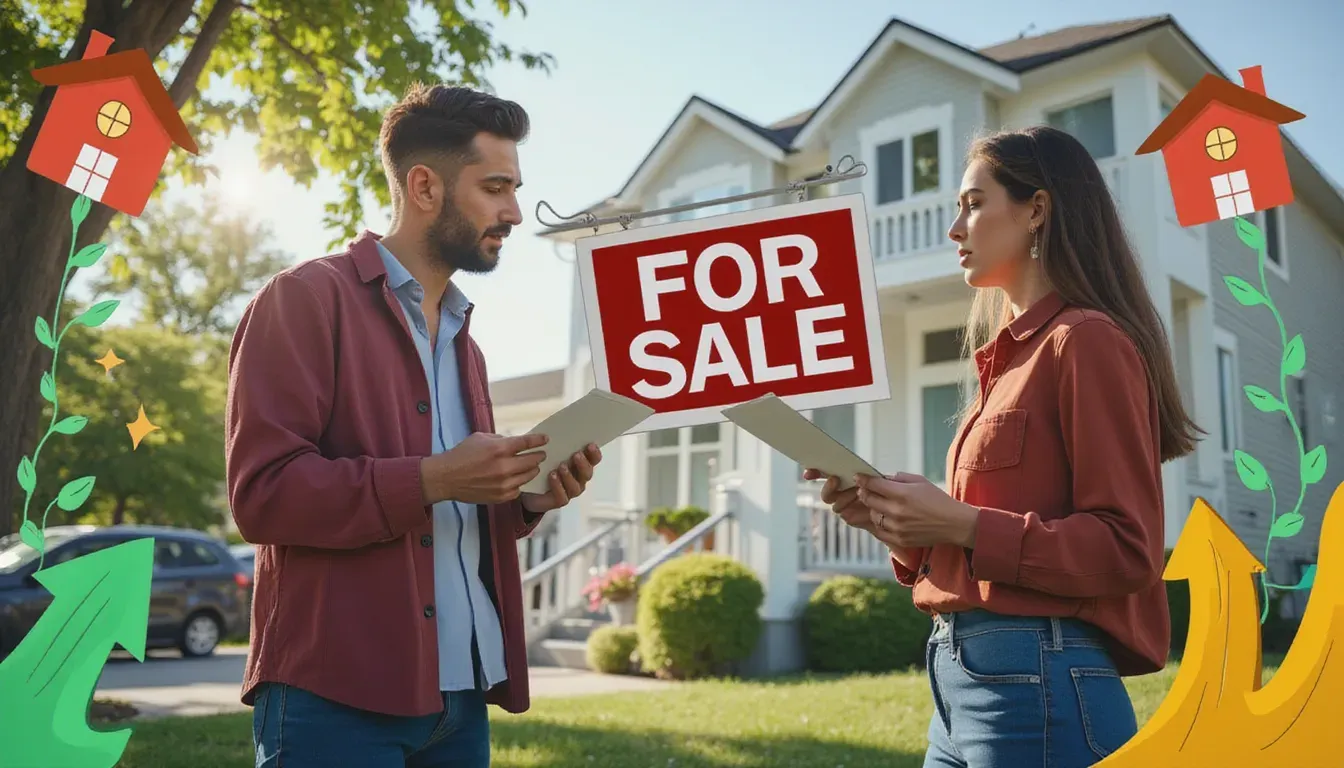
- Homes priced too high take 28 days longer to sell on average. This affects how much they sell for.
- When sellers price too high and then cut the price, they make over $9,000 less than if they priced correctly at the start.
- Most buyers look at homes in the first 7–14 days after they are listed. This means the first price is very important.
- Today’s buyers use online information and tools to quickly see if a price is wrong or if a home has been listed too long.
- A 1% full-service listing model helps with pricing, marketing, and talks with buyers. This saves sellers thousands on fees.
Home Price Strategy: Is Overpricing Slowing Sales?
If your home has been sitting longer than expected, your price—not the property—might be the problem. Today’s real estate market doesn’t reward waiting or wishful pricing. In fact, overpricing your home can cost you time, money, and negotiation power. This guide shows you why, with facts, setting the right price from the start is the best way to sell your house quickly and for a good price in today’s market.
Understanding the Modern Real Estate Market
The U.S. real estate market has changed a lot lately. After the pandemic, in 2021 and 2022, the market was fast. Interest rates were very low, and many people wanted to buy. But the market now, in 2025, is much calmer.
Mortgage rates are over 6%, and inflation keeps going. Also, home prices are rising faster than wages in many areas. This means it’s harder for people to afford homes, so fewer people are buying. According to the National Association of Realtors, home prices are still high, but there are fewer buyers competing than in past years.
More homes are for sale, giving buyers more choices. And this is making sellers compete more. Homes aren’t flying off the shelves in multiple-offer bidding wars anymore. Sellers need to plan their listings better and know the market well. This is because today’s buyers use smart tools, like alerts for new listings and mortgage calculators, to find good deals fast and ignore homes that cost too much.
So, sellers must use facts to set their home prices. And they need to make sure these prices fit what today’s buyers want and what the local market is doing.
The Myth of “Waiting for the Right Buyer”
Many homeowners believe they can overprice upfront and simply wait for an emotionally driven or desperate buyer to meet their terms. This approach may have worked before, but it’s a bad idea now.
The first two weeks after your home hits the market are the most critical. That’s when sites like Zillow, Realtor.com, and Redfin show it as a “fresh listing.” And this means more people see it. Buyers’ agents look at these listings for clients with alerts. And computer programs show these homes to more buyers.
But if your home stays on the market past that first time, it looks old to buyers. Buyers wonder: “Why hasn’t it sold? What’s wrong with it?” This makes buyers feel less rushed. And it makes them offer low prices or try to get the home for less than it’s worth, even if your home is perfect.
If you wait too long for the “perfect buyer,” you lose control. You might turn what could have been a sale with many offers into a long and unsure selling time.
What the Data Tells Us About Overpricing
A July study by Realtor.com found that homes needing a price cut stayed on the market an average of 28 days longer than homes priced right from the start. That’s almost another month of showings, worry, and costs. This includes extra mortgage payments, property taxes, and more time waiting.
Redfin’s July report also said that overpriced homes often get offers below what sellers ask for. And they take longer to agree on a price. Also, buyers might ask for many checks or appraisals, causing delays. This happens because they are not sure about the price.
The longer a listing drags on, the more likely it becomes a red flag to buyers. Smart buyers and their agents see long days on market (DOM) as a sign that the seller won’t budge or that something is wrong with the home. This greatly lowers the chance of getting full-price or good offers.
In short, the true cost of just “testing the market” with a high price is high, and people often don’t realize it.
The Price Drop Penalty: A Math Breakdown
Overpricing often results in a situation where you’re forced to lower the price later—typically after weeks of no offers or low traffic. But even if you do sell near what you wanted, you make less money because of extra costs and buyers not trusting the price.
Let’s look at a simplified breakdown:
| Scenario | Listed at Market Price | Overpriced + Price Drop |
|---|---|---|
| Initial List Price | $500,000 | $540,000 |
| Days on Market | 9 | 41 |
| Final Sale Price | $498,000 | $510,000 |
| Agent Fees (6%) | $29,880 | $30,600 |
| Holding/Prep Costs (lights, cleaning, fixing things) | $1,500 | $6,000 |
| Buyer Pressure to Lower Price | Low | High |
| Seller Takes Home | ~$466,620 | ~$457,400 |
The final sale price looks higher in the second example. But holding costs, higher fees, and buyers having more power mean a seller loses more than $9,000 than if they priced correctly at the start.
The First Impression Listing Effect
Your home has only one chance to make a strong first impression—and the first few days set the tone. This period includes:
- Fresh appearance in search results and mobile apps
- Automatic alerts sent to buyers with matching criteria
- Local buyer agents pay close attention as they look through new homes for sale.
Pricing it wrong now can make fewer people see your home and want it, for good. Even after a price cut, your home is now marked as “old.” And it almost never gets as much attention as it did on the first day. Price memory sticks. Buyers who saw the higher price originally may wrongly assume you’re only dropping because the home isn’t worth it.
That’s why your first price is likely the single most important choice you’ll make when selling your home.
Price Smart, Not Safe: Strategic Pricing Tactics
Using a planned way to price your home doesn’t mean playing it safe; it means playing it smart. Smart pricing brings in good offers. It keeps your home from sitting too long. And it builds a buzz that can lead to a better-than-expected sale.
Here are proven tactics:
Analyze Recent Sold (“Closed”) Comps
Pick homes that sold in the last 90 days, are within 1 mile, and are like your home in features and updates. Homes currently for sale might not show what buyers are really willing to pay. Only closed sales do.
Calculate Absorption Rate
This number shows how fast homes like yours are selling in your area. If many homes are selling fast (low number of homes for sale, many sales), you can price with more confidence. If homes are selling slowly, you should price to compete and sell faster.
Price Just Below Market Bands
Instead of $505,000, try $499,900. This will make your home look better in searches. This puts your home in a lower price group on sites that sort by price.
Position for Multiple Offers
A price lower than similar homes can bring in many offers. In many markets, this competition can lead to a sale price even higher than what you asked for, and without being listed too high.
Understand Appraised vs. Market vs. List Price
- Appraised Value: Determined by a bank’s third-party appraisal
- Market Value: What buyers are willing to pay, in real market conditions
- List Price: Your publicly visible asking price
When these values match, talks go smoother. And there are fewer problems getting a loan.
The Cost of Price Reductions
Dropping your list price after your home has been for sale starts a clear set of events:
- Zillow and Redfin display and time-stamp these cuts for all visitors to see
- Buyers’ trust goes down, so they ask for more.
- Too many price drops can lead to issues with the home’s value report, especially if the buyer needs a loan.
Price changes also bring in “deal seekers” who only look for cheaper homes. They know they can ask for a lot, like seller-paid repairs, closing costs, or even for appliances.
Strategy Checklist: Getting It Right the First Time
Here’s a checklist for sellers for today’s market:
- Find 3–5 recent homes sold in your area that are in like condition and have similar features.
- Adjust for square footage, interior upgrades, garage/lot size, and age of home
- Look at homes with offers, because they show what buyers are doing now better than past sales.
- Check how long homes stay on market (DOM) in your neighborhood.
- Look at price points (e.g., $499k gets more notice than $502k).
- Plan to list on a Tuesday or Wednesday to get the most showings on the weekend.
This process makes sure your home gets listed well. But it also gets noticed among other homes for sale.
Lower Cost Doesn’t Mean Lower Service: Use a 1% Listing Model
Many sellers still think saving on commission means sacrificing service. That’s simply outdated.
With a 1% full-service listing model, you keep thousands more. And you still get help with pricing, getting your home ready, and strong marketing. Here’s what’s included:
- Custom price analysis. This uses past sales, homes with offers, and how fast homes are selling.
- Home prep. And advice on getting your home ready for buyers.
- Professional photos, MLS exposure, and open house setup.
- Talks with buyer agents to make sure you get the most money.
You don’t lose 2.5–3% to traditional agents. Instead, this model lets you get expert help for much less.
How Buyers Are Playing Off Overpricing
Buyers today have more than just money to spend. They come ready to see if things don’t add up:
- They can see MLS listings right away. And they have expert agents who show them how prices are moving.
- They compare price per square foot, how long homes have been for sale, and what sellers are giving up.
- If a home looks overpriced, buyers ask for more during checks, ask for money back from the seller, or make closings take longer.
The more time your home sits with no offers, the more buyers feel right in asking for big price cuts or making the sale harder.
What You Gain Beyond Money When You Price Right
It’s not just about money. Pricing right cuts down on stress and changes to your life:
- Fewer showings mean less cleaning, less time away from home, and less stress.
- You also save on utility and upkeep costs because your home sells faster.
- Quicker closings mean you get your home’s cash sooner. And you can look for your next home without worry, sooner.
When things move fast, you get more money. And you move on to your next step more easily.
Case Study: Overprice vs. Right Price
Here’s a quick look at two similar sellers who had different results:
Home A
- List Price: $535,000
- Reduced twice: to $525,000, then $510,000
- Time on Market: 53 days
- Final Sale Price: $505,000
Home B
- List Price: $495,000
- Received 5 offers within 8 days
- Final Sale Price: $502,000
Despite the lower starting point, Home B’s sellers walked away with:
- A quicker sale
- A smoother process (no price cuts, many offers).
- About $9,000 more in money.
Two homes almost the same. Two very different plans. One won clearly because of smart pricing.
Key Takeaways for Today’s Sellers
- Overpricing delays sales and eats into your bottom line.
- Today’s market favors pricing choices that use facts and are bold.
- First days are very important. Don’t lose that first push by hoping for too much.
- Using a 1% full-service listing model helps you sell smart. And you keep more of your home’s value.
Don’t guess. Don’t hope. Get the plan to price your home that sells fast and smart.
Talk to an expert now — Your free, no-pressure chat is just one click away.
Citations
Realtor.com. (2024, July). Home price reductions and listing times.
National Association of Realtors. (2024). Home sales and market trends report. Accessed July 2024.
Redfin. (2024). Average days on market by price band and list strategy. July housing market update.
About the author
Related articles
Estimate Your Net Proceeds From Selling a House
A step-by-step way to estimate what you will actually walk away with after selling: subtract your loan payoff, selling costs, and any capital gains tax from the sale price, with a fill-in worksheet.

How to Sell Your House Fast: Every Option Ranked by Speed
Every way to sell a house — cash buyers, iBuyers, auctions, agent listings, and FSBO — ranked from fastest to slowest, with the price trade-off spelled out for each.

Seller Net Proceeds With a 1% Commission: Estimate What You Keep
How to estimate your real cash-in-hand after a 1% listing fee, buyer-agent compensation, county transfer taxes, and closing costs — and what still varies by state.
Selling a House As-Is: Is It Worth the Trade-Off?
Selling a house as-is can be fast, but is it the right move? Discover pros, cons, and how to price & market your home for a fair cash offer.