

Buyer's Remorse: Can You Get Out of a Home Deal?
Buyer's remorse after buying a house? Learn what causes it, how to avoid it, and what to do if you regret your home purchase — before or after closing.

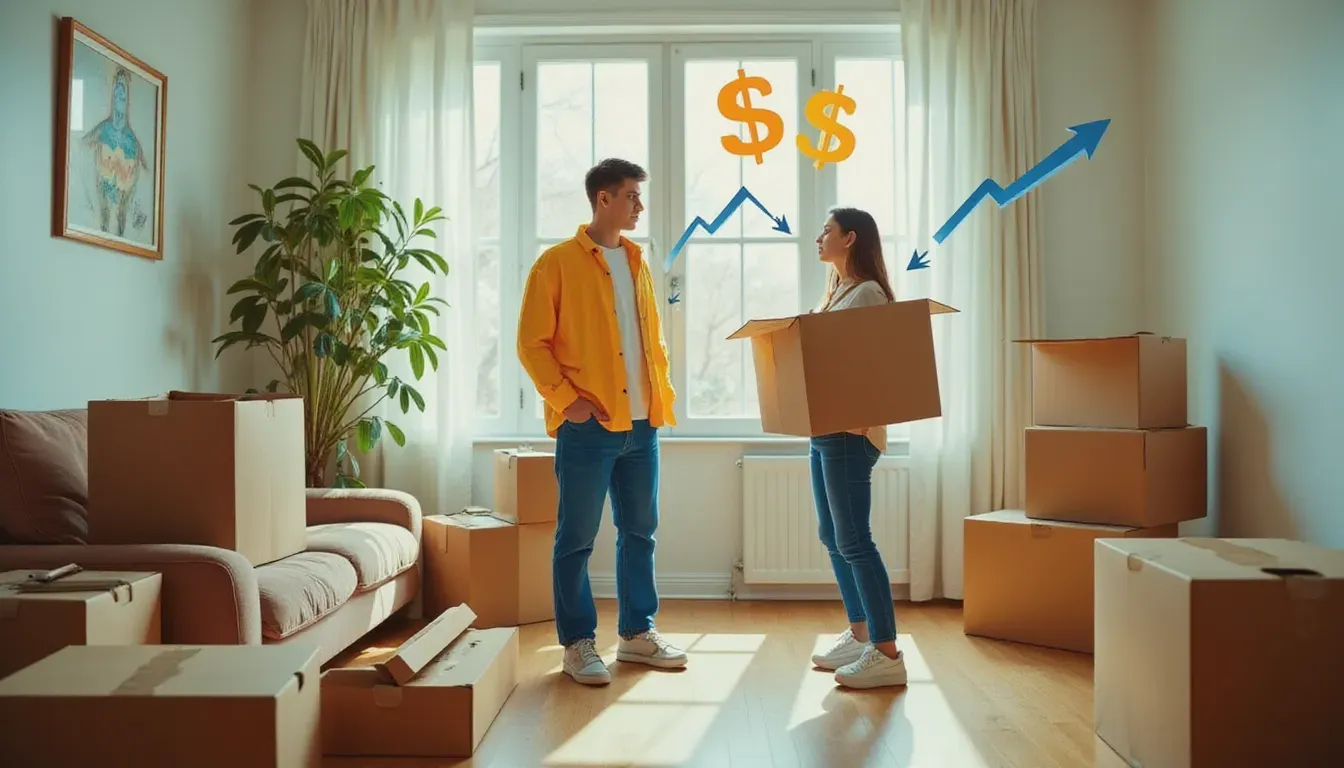
- 93% of recent homebuyers reported having some form of buyer’s remorse.
- 30% said home repair costs were higher than expected, contributing to regret.
- Millennials, especially those who bought during the pandemic, reported the highest regret levels.
- Waiving contingencies like inspections or appraisals increased regret risk significantly.
- Rebate programs can help offset costs and reduce financial regret post-purchase.
Buyer’s Remorse: Can You Get Out of a Home Deal?
Buying a house is often seen as a main part of the American dream. But for many, what starts as an exciting event can quickly turn into worry, stress, or even regret. This can be because of the money involved, unexpected repairs, or emotional strain. Buyer’s remorse is a real problem in today’s real estate market. We will look at why it happens so often, what you can do if you regret your purchase, and how to avoid it from the start.
What Is Buyer’s Remorse in Real Estate?
Buyer’s remorse is when you feel regret or doubt after buying something big. This is especially true for a home, which often means long-term money and feelings tied to it. This feeling can show up days, weeks, or even months after you sign all the papers.
When you buy a house, buyer’s remorse can show up in different ways:
- Emotional regret: You might feel you made a quick decision. Or maybe the house just doesn’t feel like “home.”
- Financial regret: Monthly mortgage payments, unexpected costs, or feeling you paid too much can be a heavy burden.
- Lifestyle regret: Maybe the drive to work is longer than you thought. Or the house layout doesn’t fit how you live each day.
Buyer’s remorse does not always mean you made a bad choice. Often, it’s a normal doubt you feel after a big decision. This comes with knowing the long-term effects of your choice. But if these doubts get strong enough, they can make buyers want to back out. Or wish they could have.
How Common Is Buyer’s Remorse After Buying a House?
Most people think this happens only to a few unlucky buyers. But the truth is, it happens to most people.
A 2023 LendingTree survey showed that 93% of homeowners had regrets about their current home purchase (LendingTree, 2023). This is not just for first-time buyers or those who bought in fast-changing markets. It is true for almost everyone.
Top Regrets After Buying a House
| Regret | % of Buyers |
|---|---|
| Cost of repairs higher than expected | 30% |
| Monthly mortgage too expensive | 30% |
| Felt they overpaid for the home | 26% |
| Wrong neighborhood or inconvenient location | 24% |
| Too small, or fewer bedrooms than needed | 23% |
These regrets come from both clear problems, like money troubles, and personal feelings. These include things like comfort, what buyers expected, or how the home fits their life.
Why Buyers Regret Purchasing a Home
Buyer’s remorse often starts with how people buy homes. High-pressure situations, making choices based on feelings, and confusing contract details can make buyers miss important facts.
Here are the most common reasons buyer’s remorse starts:
1. Buying Based on Emotion
Houses are often sold in ways that make you feel something. This includes cozy setups, smart lighting, and strong words in the listing. It’s good to love your future home. But making choices based only on feelings, without checking facts, can lead to buying a home that does not fit your long-term needs.
2. Settling to Win a Bid
In busy markets, many buyers give up some things just to beat others. They might pick a less liked neighborhood. They might accept a smaller size. Or they might ignore problems with the building just to get their offer taken.
3. Skipping Inspections
Not getting an inspection is a big warning sign. But buyers do it often to get sellers to choose them. Sadly, this often means finding costly problems after the sale. These can be bad wiring, mold, roof damage, or plumbing issues that could have been found earlier.
4. Underestimating Costs
Many first-time buyers do not plan enough for costs beyond the down payment. These include:
- Property taxes
- Upkeep and repairs
- HOA fees
- Homeowners’ insurance
- Utility bills and remodel costs
These regular costs greatly change how much you can afford each month. This is true even with a fixed-rate mortgage.
5. Too Much Mortgage Stress
Some buyers spend too much of their budget. They might get approved for more than they should truly borrow. This leaves little room for saving, investing, or emergencies. Over time, this money pressure can cause feelings of regret and stress.
Pandemic Boom + Millennial Buyers: A Perfect Storm for Regret
The COVID-19 pandemic caused one of the busiest housing markets in many years. Very low interest rates, more people working from home, and a need for space led to bidding wars and very quick choices.
Almost 40% of millennial homebuyers said they regretted their home purchase after the pandemic. This was the highest rate for any age group.
Main Reasons for Regret During the Pandemic Boom:
- Waiving conditions: Buyers took big chances to get homes.
- Overbidding: Bids driven by feelings and competition pushed home prices up too high.
- Few homes for sale: Many buyers took homes that did not fit what they needed.
- Wrong ideas about remote work: Some thought they would work from home forever, but then these plans changed or stopped.
Younger buyers often had no experience owning a home before. This made them more likely to feel strong regret once the excitement of owning a home passed.
Can You Back Out If You’re Under Contract?
If you are still under contract, before closing, you might find ways to leave the deal. But this usually depends on your contract conditions and what the contract says.
Common Contract Conditions That Let You Get Out:
- Financing Condition: If your lender says no to the mortgage because of an appraisal or income problem, you can usually leave without a penalty.
- Inspection Condition: If the inspector finds big problems with the structure or safety, this can be your way out.
- Appraisal Condition: If the property is valued for less than the sale price, you can talk about the price again. Or you can walk away.
- Title Condition: Problems with who owns the home, or hidden debts on it, can cancel the agreement.
- Home Sale Condition: If you need to sell your current home first and cannot, you are usually safe.
Important Note:
If you do not have a condition that applies, backing out can mean you lose your earnest money deposit. This is often 1% to 3% of the home price. For a $400,000 home, that could mean $4,000 to $12,000 lost.
When you do things and what the contract clearly says matters. Always work with a skilled real estate agent or lawyer. They can help you avoid problems if you need to leave a deal.
What If You Already Closed and Regret It?
Once you have officially closed on a home and the ownership has changed, things get harder. But you still have choices if buyer’s remorse starts.
1. Sell Quickly
If the market is still good, you could sell the property right away. Fees for selling, like agent commissions and taxes, might lower your profit. But a quick sale can be the best way to get rid of a mistake before it gets worse.
2. Rent the Property
If you do not want to live there but are not ready to sell, you can rent your home. This can bring in money each month and help pay the mortgage. This works well in popular areas with good rental markets.
3. Refinance
If your regret is about money, because of a hard-to-pay mortgage, consider refinancing. Lower interest rates or changing to a longer loan term might lower your monthly payments. This can ease some of the pressure.
4. Legal Action for Wrong Information
Sometimes, serious hidden problems might mean you can take legal action. If the seller hid big issues, like problems with the foundation or flood risk, that they should have told you about, a real estate lawyer can help you find out your options.
Emotional Traps: Is It Remorse or Just Normal Worry?
Not all buyer’s remorse means there is a big problem. Buying a house can feel like too much, especially for first-time buyers. Sometimes, what feels like regret is just a fear of change or not knowing what will happen.
Warning Signs It’s More Than Just Nerves:
- You did not pay attention to big problems when you were buying.
- You felt too rushed or forced to make the choice.
- Your worries are about lasting things, like where the home is or its size. They are not about small, short-term issues.
When It Might Just Be Stress After Moving In:
- You are getting used to a new place.
- You feel a lot of stress for a short time because of all the moving details.
- The home feels “off,” but there are no actual building problems or worries.
Think about talking to a friend who knows a lot, your real estate agent, or even a therapist. They can help you understand your feelings better. Often, clear thinking helps you tell the difference between true regret and normal worry.
How to Avoid Buyer’s Remorse Before You Buy
The best time to handle home regret is before you close. Or even before you make an offer. Being ready is key.
Here are helpful tips to avoid buyer’s remorse when buying a house:
Home Buyer’s Remorse Prevention Checklist
- Make a firm, real budget that includes all costs. Do not just count the down payment.
- Do not skip important conditions like inspections.
- Go to the neighborhood at different times of day. Check the drive, noise, and how the community feels.
- Look again before you make an offer. Think carefully about big choices.
- Read past and current home inspection reports closely.
- Ask for all papers that show hidden problems. Also, keep all talks in writing.
- Understand all regular costs (HOA, taxes, upkeep).
- Look at how much homes in the area have gone up in value. Check its chance to sell for more later.
“A home that feels good today should also feel good five years from now.”
How Commission Rebates Reduce Financial Regrets
One good way to lessen money regret after you buy a home is by using a buyer commission rebate. This is when your buyer’s agent gives you back part of their fee at closing.
Why This Helps:
- It gives you money directly when you are spending a lot.
- It helps pay for unexpected repairs or improvements.
- It makes moving costs and final closing steps easier.
Example Rebate
For a $400,000 home, a 1% buyer rebate means:
| Purchase Price | Rebate Rate | Buyer Rebate* |
|---|---|---|
| $400,000 | 1% | $4,000 at closing |
*Where legal and lender-approved.
Not all real estate firms offer rebates, so be sure to ask early. It is a simple way to give yourself a bit more money, and feel less worried.
Full-Service Agents Help You Avoid Costly Surprises
Working with an experienced buyer’s agent can greatly lower your risk and regret. These top agents do more than just show you homes. They stand up for you during the whole buying process.
How Good Agents Stop Regret:
- They find homes that fit your specific needs and budget.
- They see warning signs in home listings, inspection reports, or other papers.
- They talk about getting money back or other deals if problems appear.
- They create offers with smart conditions that give you options.
- They give you real price facts to help you avoid paying too much.
You get good advice, safety, and another set of expert eyes. This makes it much more likely you will have a good result.
How Our Platform Saves Buyers (and Makes Them More Sure)
Saving money is one way to avoid home regret. But so is having the right help and tools from the start.
Here is how our platform matches up against regular real estate agents when you buy and sell a home:
Buy-Sell Combo Comparison
| Traditional Agent | Our Platform |
|---|---|
| 3% Listing Fee | 1% Listing Fee |
| $0 Buyer Rebate | 1% Buyer Rebate |
| $12,000 total cost* | $4,000 total cost* |
| $0 saved | $8,000 saved |
*Assumes $400,000 purchase/sale values.
We use good fee setups, rebate offers, and full help. This way, we help lower regrets and make buyers happier all over the country.
Final Thoughts: Buying Without Regret Is Possible
Buyer’s remorse does not have to be part of your homeownership experience. With good planning, expert advice, clear money facts, and skilled agents helping you, you can avoid the stress and traps that many homeowners face. The main thing is to ask the right questions early. Also, protect yourself with strong conditions, and understand all the costs. Do not just look at the price of the home.
Ready to Buy With Confidence? Talk to an expert now — Your free, no-pressure chat is just one click away.
Citations
LendingTree. (2023). Survey: Nearly 3 in 4 homeowners have regrets about buying their current home.
About the author
Related articles
Buy Before You Sell vs Sell Before You Buy: How to Decide
Buy before you sell or sell before you buy? Selling first is usually the financially safer choice, but buying first is more convenient. Use this framework — plus bridge loans, HELOCs, contingencies, and rent-backs — to decide.
What Does Buying a Home As-Is Really Mean?
Buying a home as-is usually means the seller won't make repairs — not that you lose the right to inspect or to walk away. Here's what your contract and state law actually control.
Buying a Home at Auction: Cash, Financing, and Risks
How real-estate auctions work, whether you can finance an auction purchase, and the risks of buying with no inspection — foreclosure, tax, REO, and HUD sales compared, with a pre-bid due-diligence checklist.
Buying a Short Sale: Process, Timeline, and Pitfalls
How buying a short-sale home works, why lender approval takes so long, and the timeline, costs, and legal pitfalls buyers should plan for.